Security technology has become increasingly capable.
Cameras provide better visibility. Video analytics can help identify activity requiring attention. Networks connect facilities and systems. Mobile and rapidly deployable technologies can extend coverage beyond permanent infrastructure.
But adding more technology does not necessarily create better security.
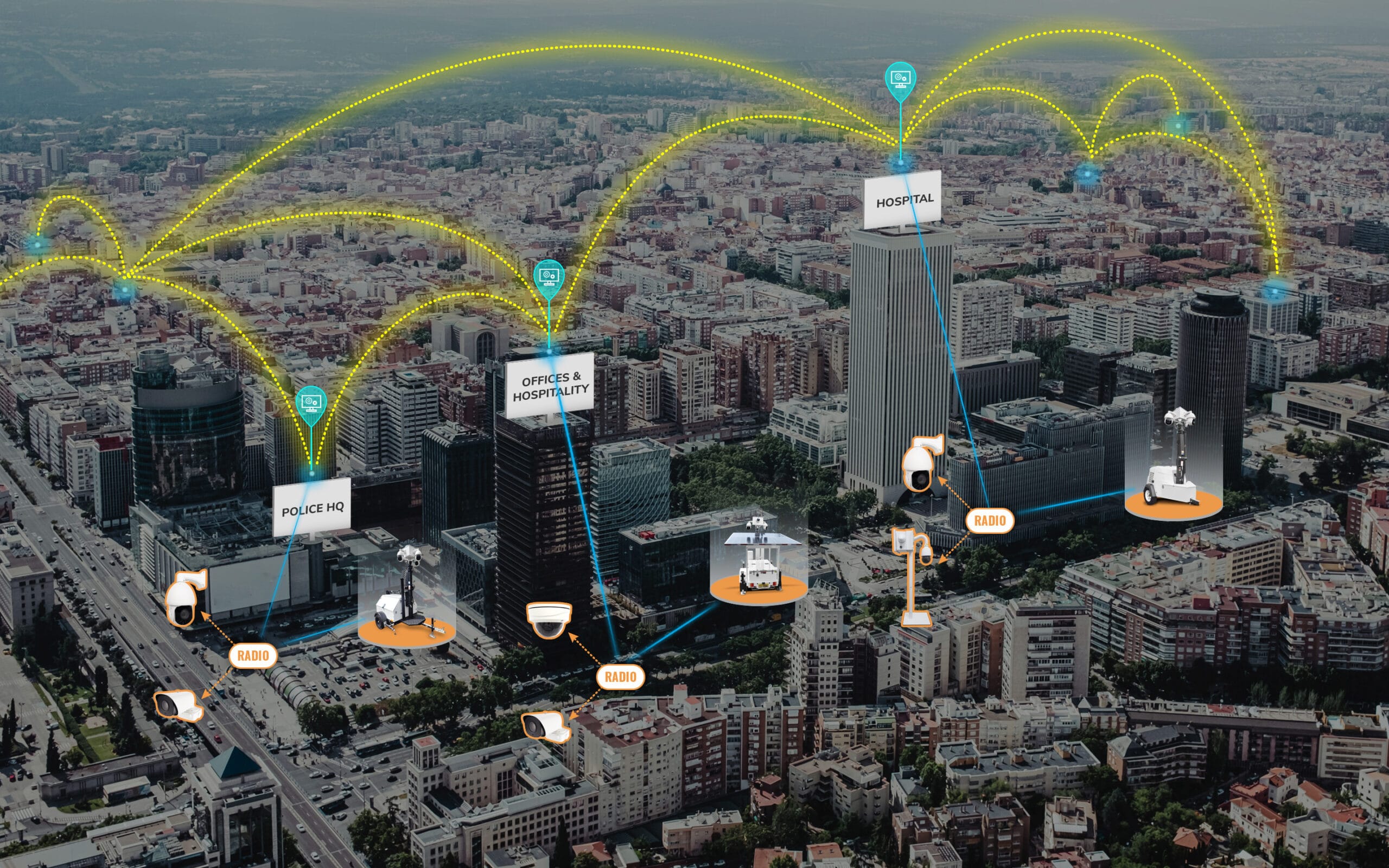
The greater opportunity is to connect those capabilities so that information can move between systems, personnel can develop a more complete operational picture, and organizations can respond more effectively when an incident occurs.
That requires thinking beyond individual products and toward a connected security ecosystem.
From Individual Systems to a Connected Environment
Many organizations have accumulated security technology over time.
A facility may have cameras from multiple generations or manufacturers. Network infrastructure may have been deployed separately. New analytics may have been added later. Temporary systems may be used for events, construction projects or areas without permanent infrastructure.
Each component can provide value independently.
The challenge arises when the people responsible for security must work across disconnected systems to understand what is happening.
A connected approach starts by asking how these capabilities can contribute to the same operational mission.
A useful framework is:

Each layer builds on the one before it.
Visibility: Understand What Is Happening
Security begins with visibility.
Fixed cameras can provide continuous coverage of entrances, parking areas, perimeters and other important locations. Mobile and rapidly deployable systems can extend that coverage to locations where permanent infrastructure is unavailable or impractical.
But visibility should be designed around operational requirements rather than simply maximizing the number of cameras.
Organizations should consider:
- What areas require visibility?
- What information would be useful during an incident?
- Where are current blind spots?
- Which locations require permanent coverage?
- Where might temporary or mobile coverage be more appropriate?
The objective is not simply to collect more video.
It is to provide useful visibility where personnel may need it.
Connectivity: Make Information Available Where It Is Needed
Visibility has limited value if information cannot reliably reach the people and systems that need it.
That makes the network an essential part of the security architecture.
Facilities may depend on combinations of wired infrastructure, wireless networks, cellular connectivity and other communications technologies. Temporary deployments can introduce additional connectivity requirements.
A connected security strategy should therefore consider the network and security systems together.
Reliable connectivity can allow organizations to bring information from distributed locations into a common operational environment while supporting the availability and resilience required for security operations.
Intelligence: Turn Information Into Something Actionable
Modern security environments can generate more information than personnel can reasonably monitor continuously.
Analytics can help focus attention.
Depending on the application, intelligent video capabilities may help identify defined events, detect activity in particular areas, recognize objects or patterns, and bring potentially relevant information to the attention of security personnel.
The purpose isn’t to remove people from the process.
It is to help people identify information that may require their attention.
Used appropriately, analytics can help shift security operations from continuously watching every source toward identifying and evaluating relevant activity.
Situational Awareness: Connect the Pieces
A camera image provides one piece of information.
A network provides another capability.
An alert provides another.
The operational value increases when those elements contribute to a more complete understanding of what is happening.
Connected systems can help personnel understand:
- Where is the activity occurring?
- What information is available?
- Are other systems or locations relevant?
- Who needs to know?
- What action may be appropriate?
That is the difference between simply having security technology and developing situational awareness.
The goal is not necessarily to put every system into a single product.
It is to allow the appropriate technologies and information sources to work together in support of the mission.
Response: Get Useful Information to the Right People
Ultimately, security technology should support action.
Depending on the organization and incident, that may involve internal security personnel, facility leadership, law enforcement, emergency management or other authorized partners.
A connected ecosystem can help ensure that relevant information is available when decisions need to be made.
The objective is straightforward:
Get useful information to the right people at the right time.
Technology should help shorten the distance between identifying an event, understanding it and responding appropriately.
Designing for Existing Infrastructure
Building a connected security ecosystem does not necessarily require replacing everything already deployed.
Most organizations already have investments in cameras, networks, software and other systems.
A practical strategy begins by understanding those existing assets.
- Which systems continue to meet operational requirements?
- Where are the gaps?
- Which components can be integrated?
- Where would modernization provide meaningful value?
- Where could mobile or rapidly deployable technology address a requirement without additional permanent infrastructure?
This approach allows organizations to modernize strategically rather than treating every new requirement as a complete technology replacement.
Extending the Ecosystem Beyond Permanent Facilities
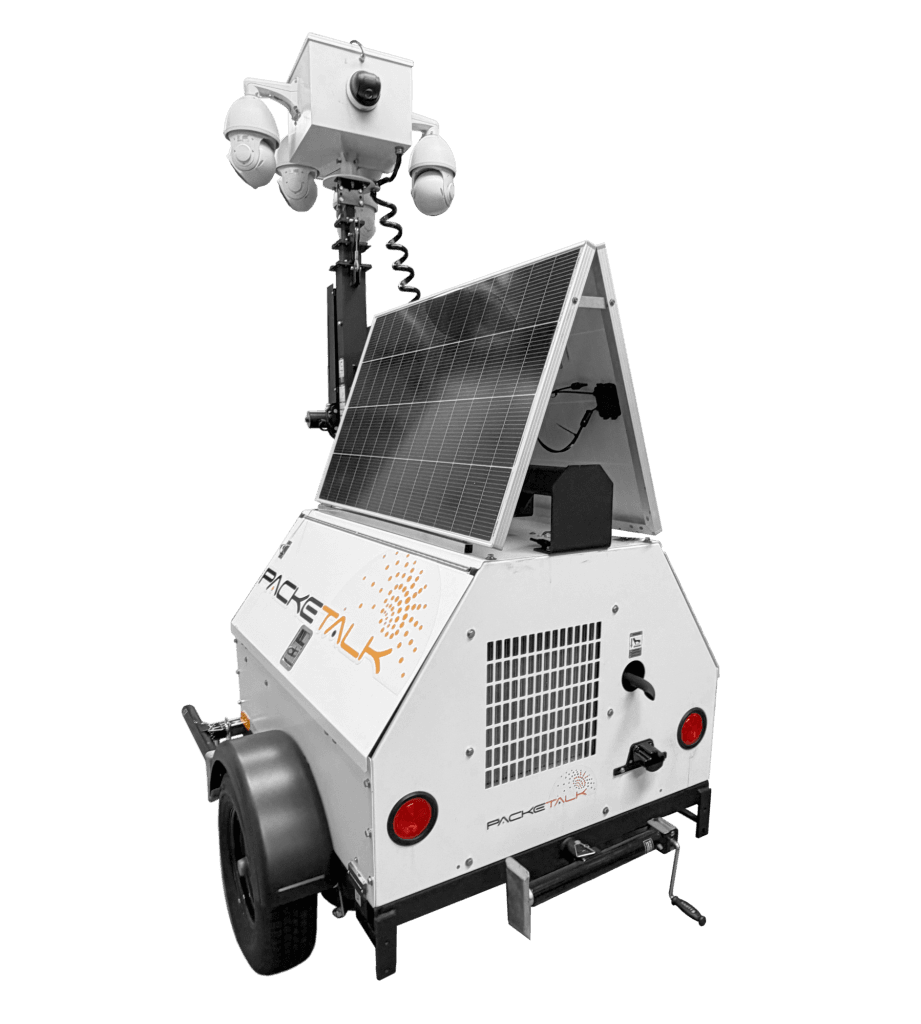
Security requirements do not always remain within the boundaries of a building.
Organizations may need temporary coverage for events, remote locations, parking areas, construction projects or emerging security concerns.
Rapidly deployable surveillance systems and mobile connectivity can extend the existing security environment into those locations.
When those systems can connect back into established operational workflows, temporary deployments become an extension of the security ecosystem rather than another isolated technology.
That flexibility can be especially valuable when security requirements change faster than permanent infrastructure can be installed.
Resilience Matters
Connected systems also create dependencies.
If cameras, analytics and operational platforms depend on connectivity, the reliability of that connectivity becomes part of the security strategy.
Organizations should consider redundancy, communications availability, power requirements, network architecture and how critical systems operate when individual components become unavailable.
A connected ecosystem should therefore be designed not only for integration but also for resilience.
The objective is to avoid creating a system in which the failure of one component unnecessarily eliminates visibility across the entire environment.
Start With the Mission, Not the Product
There is no single technology stack that fits every organization.
A community facility, municipal complex, transportation environment, critical-infrastructure site and public-safety agency may all have different requirements.
The better starting point is the operational mission.
- What needs to be protected?
- What does the organization need to see?
- What information needs to move between locations?
- What events require attention?
- Who needs access to information?
- What happens when something goes wrong?
Once those questions are understood, cameras, networking, analytics, mobile systems and other technologies can be evaluated based on how well they support that mission.
The result is a more useful way to think about security technology:
Not as a collection of products, but as a connected ecosystem designed around visibility, connectivity, intelligence, situational awareness and response.
About Packetalk Technologies
Packetalk Technologies develops connected public-safety and security solutions designed to improve situational awareness, connectivity and operational effectiveness.
Packetalk’s capabilities include connected camera systems, intelligent video analytics, public-safety networking, mobile ALPR, rapidly deployable surveillance systems and integrated public-safety solutions.
Explore Packetalk’s Connected Public Safety Solutions