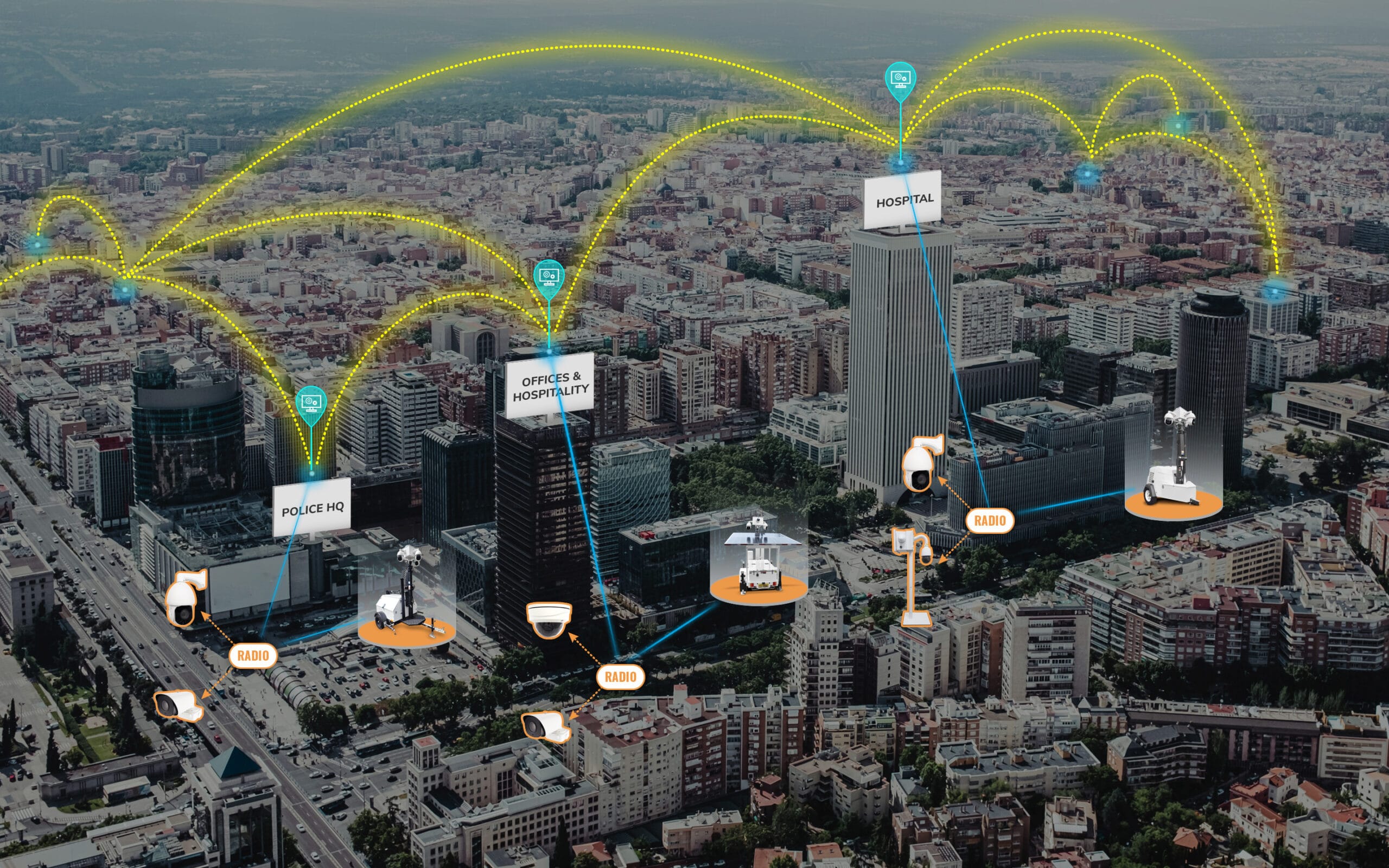
PART 1 OF Packetalk Technologies’ Building Public Trust in Law Enforcement Technology series
Public-Safety Technology is advancing rapidly.
Connected cameras can improve visibility across communities. Automated license plate recognition (ALPR) can provide time-sensitive investigative leads. Video analytics can help identify activity requiring attention, while connected systems can support information sharing between authorized agencies.
These capabilities can improve situational awareness and operational effectiveness.
But greater capability also creates greater responsibility.
For law-enforcement leaders, the question is no longer simply what technology can do. It is also how that technology should be used—and what safeguards should govern its operation.
Building public trust begins with defining those boundaries before deployment.
Start With the Public-Safety Mission
Technology decisions should begin with a clearly defined operational need, not a particular product or capability.
Before implementing a system, agencies should understand what problem they are trying to solve, what information is necessary and who should be authorized to access it.
They should also establish how long information needs to be retained and under what circumstances it may be shared.
These decisions help create a foundation for responsible technology use.
PRO TIP
Technology decisions should begin with a clearly defined operational need, not a particular product or capability.
ALPR provides a useful example.
An ALPR system may capture a vehicle image, license plate, location, date and time. That information can generate an investigative lead, but it does not automatically identify a driver, establish guilt or prove criminal activity.
Understanding both the capabilities and limitations of technology is essential when establishing its intended use.
A clearly defined purpose also helps agencies measure success based on meaningful public-safety outcomes rather than simply the amount of information collected.
Privacy Requires Policy and Technology
Written policies establish expectations, but technical safeguards help put those expectations into practice.
Depending on the system and applicable requirements, safeguards may include individual user accounts, role-based permissions, configurable retention periods, activity logging and restrictions on information sharing.
These controls help agencies establish who can access information, how it may be used and how inappropriate activity can be identified.
For example, restricting access to authorized personnel is more meaningful when individual accounts and permissions are supported by records of system activity.
Similarly, retention policies are more effective when appropriate deletion schedules can be configured and exceptions documented.
The specific requirements will vary by jurisdiction, technology and operational mission.
Technology should support an agency’s governance requirements—not dictate them.
Safeguards Must Support Human Judgment
Technology can identify information that deserves attention, but it should not replace responsible human decision-making.
An ALPR alert, for example, may require verification of the plate, vehicle, location, time and underlying information before enforcement action is taken.
The alert itself is an investigative lead, not proof of criminal activity.
The same principle applies to video analytics and other automated systems.

These technologies can help personnel identify relevant information more quickly, but interpretation, verification and operational decisions remain human responsibilities.
Effective safeguards therefore involve more than software settings. They also require appropriate policies, training and oversight.
No technology program can credibly promise that misuse is impossible. The stronger approach is to establish controls designed to prevent inappropriate use, detect potential violations and support corrective action.
Responsible Innovation Begins With Clear Boundaries
Effective public-safety technology and meaningful privacy protections should not be competing objectives.
Agencies can pursue improved situational awareness and operational effectiveness while establishing clear purposes, appropriate access restrictions and enforceable safeguards.
Responsible deployment begins by defining what technology is intended to accomplish—and the limits that should govern its use.
Those decisions provide the foundation for public trust.
But establishing safeguards is only the beginning. Agencies must also demonstrate that those safeguards are being followed.
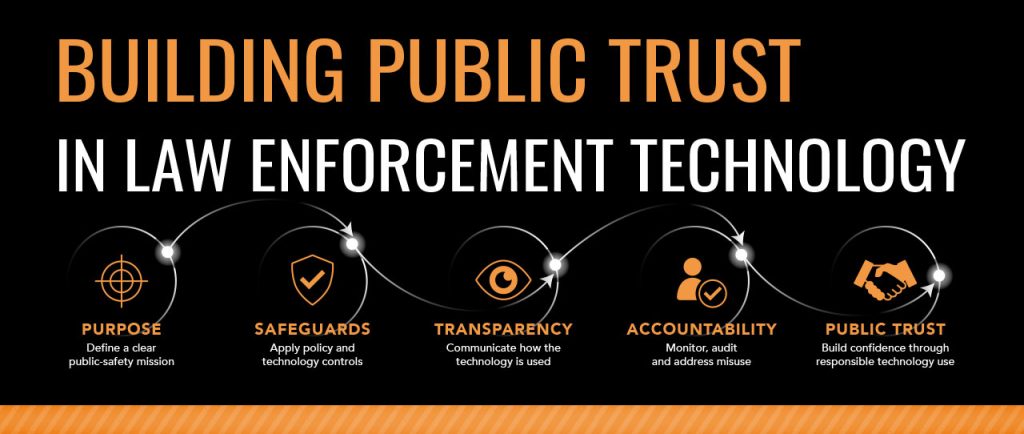
IN PART 2, we’ll examine how transparency, accountability and meaningful oversight help agencies demonstrate responsible technology use.
About Packetalk Technologies
Packetalk Technologies develops connected public-safety solutions, including connected cameras, intelligent video analytics, public-safety networking, mobile ALPR and rapidly deployable surveillance systems.
Explore Packetalk’s Connected Public Safety Solutions.